

Aging Gracefully: Nutrition Strategies for Senior Dogs (7+ Years)
As your dog enters their golden years, their nutritional needs change dramatically. Here's how to adapt their diet for comfort, mobility, and longevity.

Nutrition7 min read#senior #aging #joint-health #nutrition
When Is Your Dog Officially 'Senior'?
It depends on breed size. Giant breeds (Great Danes, Mastiffs) may be considered senior at 5–6 years, while small breeds (Chihuahuas, Yorkies) might not reach senior status until 10–12 years. Medium breeds typically transition around 7–8 years.
| Breed Size | Senior Age | Key Focus Areas |
|---|---|---|
| Small (under 20 lb) | 10–12 years | Dental health, metabolism, cognitive function |
| Medium (20–50 lb) | 7–9 years | Weight management, joint support, organ health |
| Large (50–90 lb) | 6–8 years | Joint & hip support, heart health, mobility |
| Giant (90+ lb) | 5–6 years | Bone density, joint care, calorie reduction |
5 Key Nutritional Changes for Senior Dogs
- Reduce calories, increase protein quality
Senior dogs need 20-30% fewer calories but higher quality protein to maintain muscle mass. Look for named animal proteins as the first ingredient.
- Add joint support nutrients
Glucosamine (500-1000mg/day), chondroitin, MSM, and omega-3 fatty acids from fish oil support cartilage health and reduce inflammation.
- Boost cognitive support
Medium-chain triglycerides (MCTs), antioxidants (vitamins E & C), and DHA help maintain cognitive function and may slow age-related decline.
- Increase fiber for digestion
Aging digestive systems benefit from gentle fiber sources like pumpkin, sweet potato, and chicory root. Probiotics are also essential.
- Monitor hydration closely
Senior dogs are more prone to dehydration. Consider adding warm water or bone broth to dry food to increase fluid intake.
Supplements Worth Adding
- Fish oil (EPA/DHA) — Anti-inflammatory, supports heart and brain
- Glucosamine + Chondroitin — Joint cartilage support
- Probiotics — Gut health and immune function
- Vitamin E — Antioxidant protection against cell damage
- CoQ10 — Heart health and cellular energy production
Keep reading
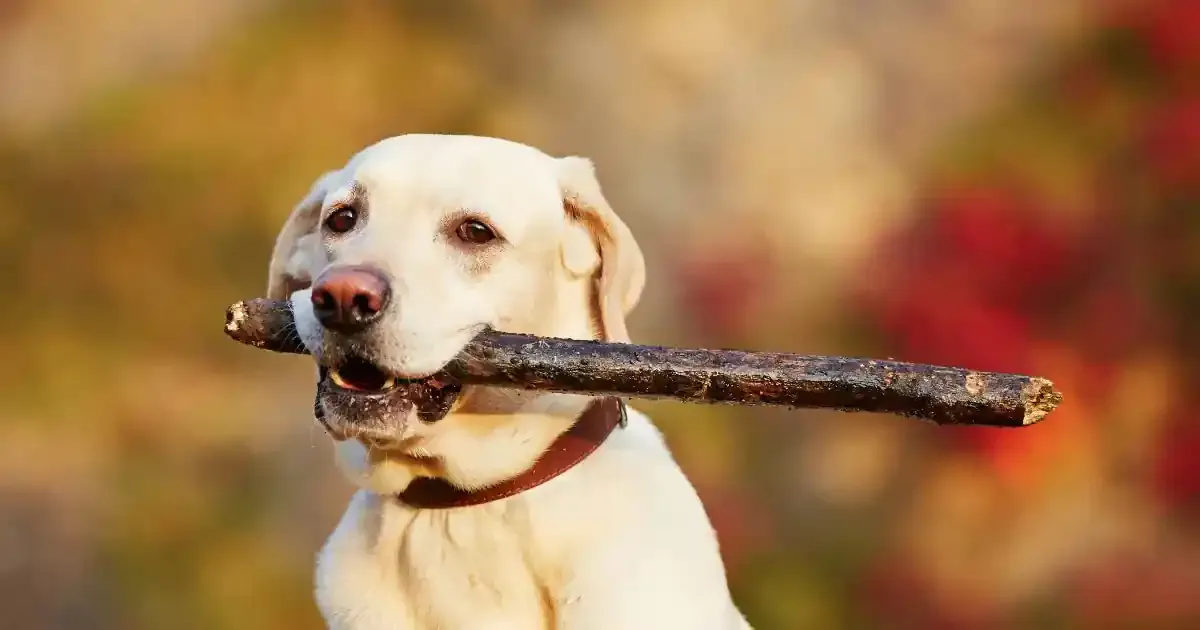 Health & wellness5 min readDo wood chews splinter? What every dog parent needs to knowWorried about wood splintering with dog chews? Learn how coffee wood behaves differently than backyard sticks — and why sizing is the most important safety factor.
 Lifestyle8 min readWhy enrichment matters for dogs — and simple ways to give your pup more of itMental enrichment is just as important as exercise for dogs. Here's why it matters, what it actually does for their brain and behavior, and easy ways to add more of it every day.
 Health & wellness7 min readIs it safe for dogs to chew on sticks? Here's what you should knowDogs love sticks — but backyard and trail sticks splinter, harbor bacteria, and can cause real injuries. Here's what's actually going on, and what to give a stick-loving dog instead.
Get new posts by email
Chew guides, safety notes and new arrivals from the Mumbies blog.